Tracing Regulatory Milestones That Shape Loyalty Tiers and Spin Mechanics in Portable Exploration Games
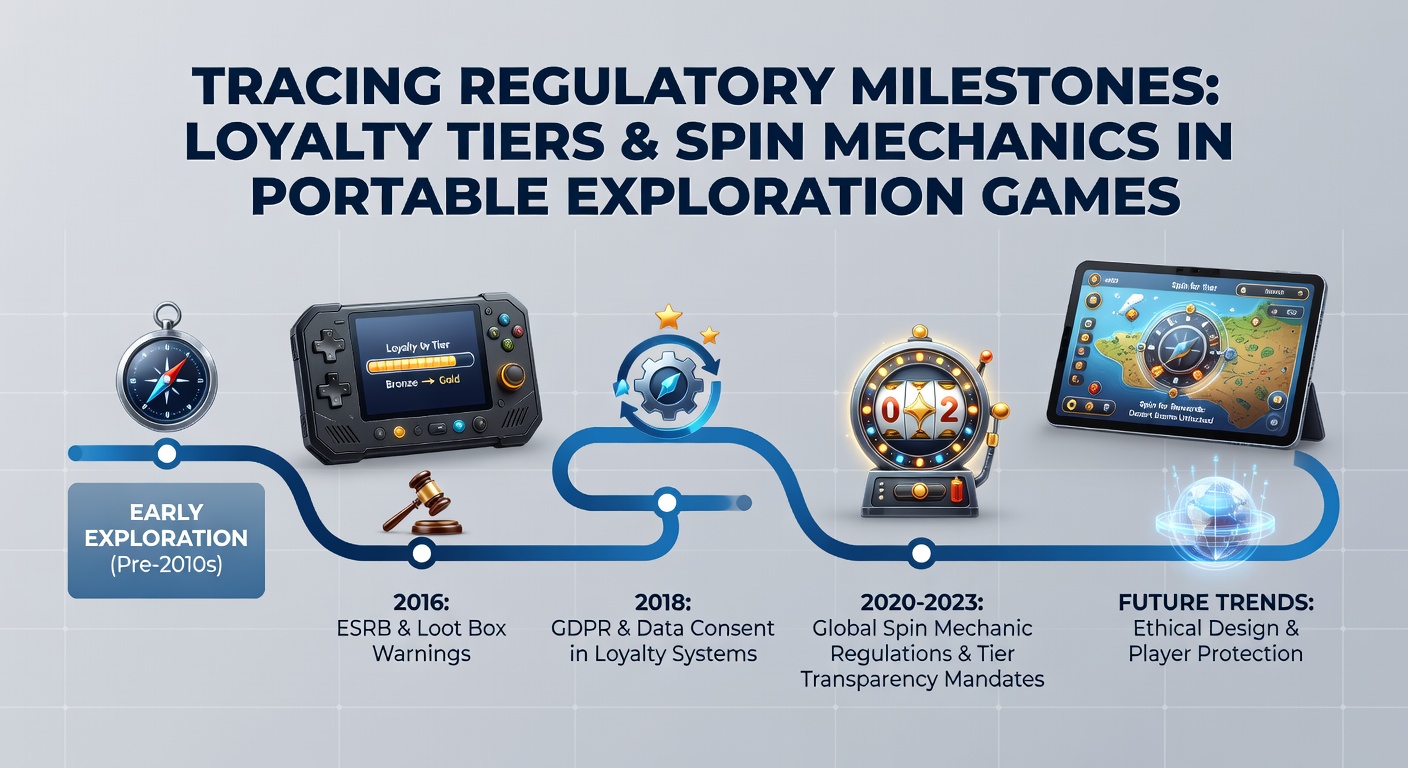
Regulatory frameworks have evolved steadily since the rise of portable exploration games, which combine adventure narratives with chance-based mechanics such as spins and layered reward systems, and these changes directly influence how operators design loyalty tiers alongside spin availability and frequency. Early mobile gaming rules focused on consumer protection while establishing baseline requirements for reward transparency, and jurisdictions began requiring clear disclosure of tier progression criteria as early as the mid-2000s.
Foundational Rules from the 2010s
Developers responded to initial standards set by bodies like the Nevada Gaming Control Board when portable devices gained traction, and those standards mandated that loyalty programs disclose point accumulation rates along with redemption values for spins or exploration boosts. Observers note that this period saw operators introduce tiered structures where higher levels granted increased spin multipliers or exclusive adventure maps, yet all such features had to align with audited probability models to prevent misleading claims. Research indicates that compliance costs rose for smaller studios while larger platforms adapted by integrating real-time tracking tools that logged player activity across sessions.
By 2015 several European directives on digital services had taken effect and required operators to separate promotional spins from core game progression, which meant loyalty tiers could no longer automatically unlock unlimited free spins without separate opt-in mechanisms. Data from industry reports shows that spin mechanics became more modular after these rules, allowing players to earn spins through exploration milestones rather than solely through deposit volume. Experts have observed that this separation preserved game integrity while still rewarding sustained engagement through visible tier benefits such as enhanced map visibility or reduced cooldowns between spins.
North American Adjustments and Tier Transparency
Canadian provincial regulators introduced guidelines around 2018 that required loyalty programs to publish exact formulas for tier advancement, and portable exploration titles adjusted their systems accordingly by displaying progress bars tied directly to in-game exploration achievements rather than hidden algorithms. These rules also limited how spin rewards could be advertised within promotional tiers, forcing operators to emphasize skill elements like puzzle completion over pure chance accumulation. Figures from gaming associations reveal that average player retention in compliant titles increased modestly because users could predict when they would reach the next tier and gain access to improved spin rates.
Meanwhile, Australian authorities through the Australian Communications and Media Authority enforced similar disclosure standards that affected cross-border portable games, and developers began using unified backend systems to manage both loyalty data and spin frequency across different regulatory zones. One study revealed that companies which unified their tracking early avoided costly retrofits later, while those who delayed faced temporary removal from app stores until mechanics were updated.
Global Shifts Leading Into the 2020s
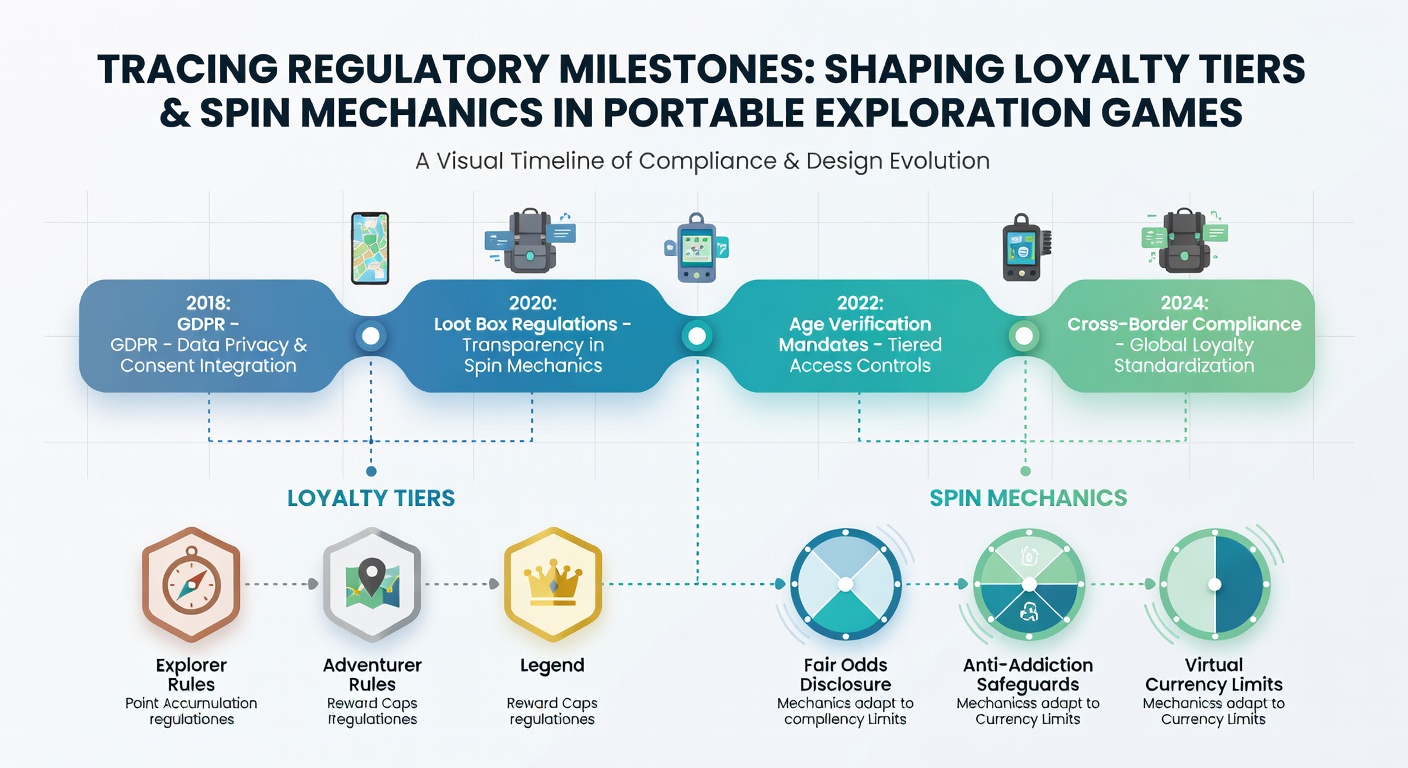
International coordination gained momentum when the International Association of Gaming Regulators held joint sessions that addressed portable platforms specifically, and participants agreed on minimum standards for audit trails that cover both loyalty point ledgers and spin outcome logs. These agreements encouraged operators to embed verifiable random number generators into exploration sequences so that spin results remain independent from tier status while still allowing higher tiers to provide cosmetic advantages such as faster travel between game zones. According to data shared by the American Gaming Association, titles that adopted these practices early experienced fewer compliance audits and smoother market entry in multiple regions.
Additional refinements emerged in 2023 when several Asian markets aligned their digital gaming policies with existing Western frameworks, and portable exploration developers introduced region-specific loyalty modules that automatically adjusted spin availability based on local rules. Observers note that this modular approach reduced legal friction while maintaining consistent player experiences across borders, and researchers discovered that transparent tier systems correlated with higher reported satisfaction in player surveys conducted by independent groups.
Developments Anticipated for May 2026
Regulatory calendars indicate that updated reporting requirements scheduled for May 2026 will expand data-sharing obligations between operators and oversight bodies in key markets, and these changes are expected to standardize how loyalty tier algorithms are audited alongside spin mechanics. Portable exploration games will likely incorporate enhanced logging features that timestamp every tier advancement and every spin outcome in a single immutable record, which simplifies verification without altering core gameplay loops. Industry organizations anticipate that developers who prepare modular code now will transition smoothly when the new standards activate.
Take one developer team that integrated blockchain-based audit trails ahead of schedule, and they found that compliance verification time dropped by nearly half compared with legacy systems. Such preparations align with broader trends where regulators seek real-time visibility into reward distribution rather than periodic snapshots, and this shift directly shapes how new loyalty tiers are structured to avoid over-concentration of spin benefits at top levels.
Conclusion
Regulatory milestones continue to guide the architecture of loyalty tiers and spin mechanics within portable exploration games by enforcing transparency, separating promotional elements from core progression, and requiring verifiable systems that operate consistently across jurisdictions. As standards evolve through 2026 and beyond, operators maintain compliance by adopting flexible designs that preserve adventure-focused gameplay while meeting disclosure and audit demands from diverse authorities. The pattern shows steady refinement rather than abrupt overhaul, with each phase building on prior requirements to balance player engagement against consumer safeguards.