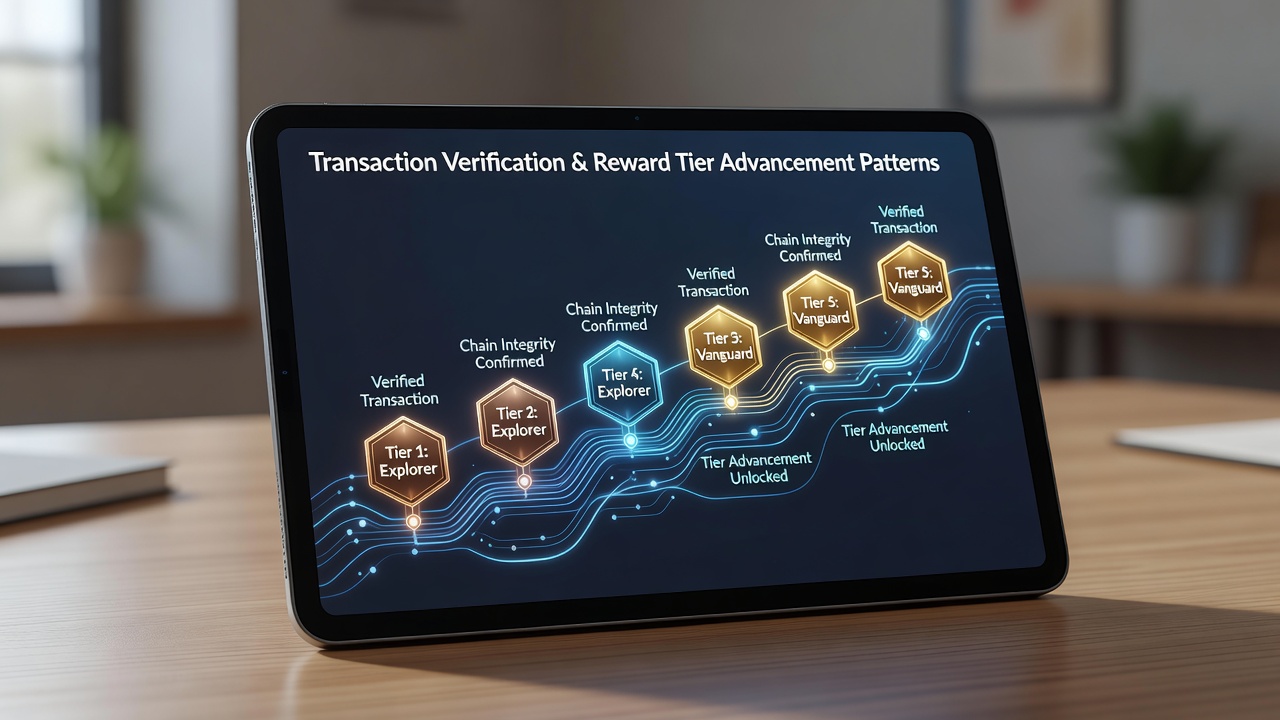
Patterns Linking Transaction Verification to Reward Tier Advancements in Handheld Quest Interfaces
Handheld quest interfaces on mobile platforms connect transaction verification steps directly to reward tier advancements through structured data flows that confirm user actions before unlocking new levels, and researchers tracking these systems note consistent sequences where payment or identity checks precede tier elevations in adventure-style games.
Core Mechanisms in Verification Processes
Transaction verification in these interfaces typically requires users to complete identity confirmation or payment authorization before the system registers progress toward higher tiers, while data logs show that successful checks trigger automated updates in the reward structure, and this linkage appears across multiple platforms that manage quest completion alongside financial interactions. Studies from academic institutions indicate that platforms record verification timestamps alongside tier advancement events, creating traceable patterns that developers use to refine access protocols without interrupting gameplay flow.
Integration with Quest Progression
Quest interfaces embed verification prompts at key milestones, such as when a user attempts to claim tier-based rewards after completing a series of tasks, and once verification clears, the system advances the account to the next tier while updating available quests and bonuses in real time. Observers have documented cases where delayed verifications stall progression until external data sources, including banking APIs or regulatory databases, return positive results, and this creates measurable delays that correlate with specific tier thresholds in portable gaming environments.
Documented Patterns Across Platforms
Data indicates recurring sequences where initial low-tier verifications involve basic account details, yet higher tiers demand repeated checks that include transaction history reviews, and these patterns hold steady across different handheld operating systems. In July 2026 industry reports highlighted increased synchronization between verification servers and reward databases, allowing platforms to process advancements more efficiently during peak usage periods while maintaining compliance with regional standards set by bodies such as the Australian Communications and Media Authority.
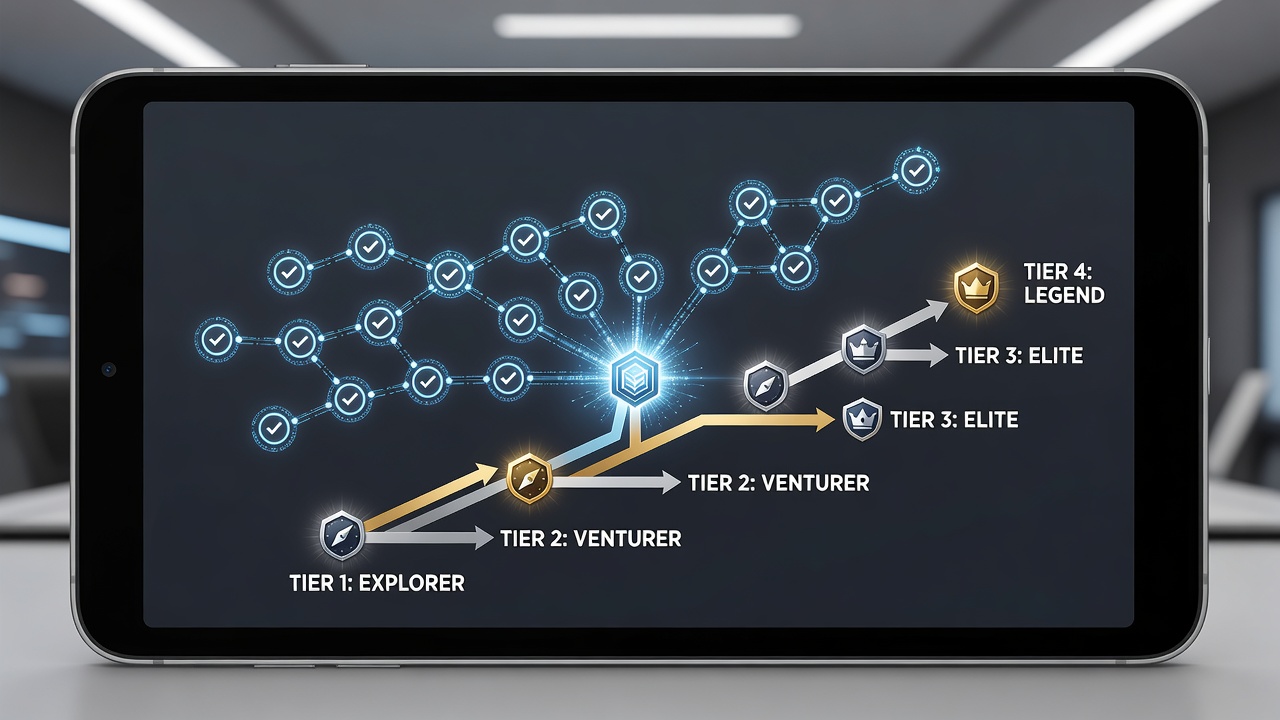
One study revealed that platforms using multi-factor verification saw tier advancements occur within tighter time windows compared to single-step processes, and analysts at the American Gaming Association tracked how these efficiencies scaled with user volume across North American markets. Patterns also surface in how community feedback influences protocol tweaks, with developers adjusting verification frequency based on completion rates reported through in-app analytics.
Regulatory Influences on Data Flows
Regulatory frameworks shape the timing and depth of transaction checks that precede reward tier changes, whereas platforms operating in multiple jurisdictions adapt their sequences to satisfy local requirements without altering the core quest interface for end users. Evidence suggests that updates implemented after mid-2026 aligned verification routines more closely with tier unlock conditions, reducing instances where users encountered mismatched access levels during extended play sessions.
Platforms integrate external reference points from government agencies in various regions, including Canadian provincial oversight bodies and European gaming authorities, to validate transactions before advancing accounts, and this cross-referencing produces consistent logs that link each verification event to subsequent tier movements. Those who've examined server data note that such integrations minimize discrepancies between reported quest completions and actual reward distributions.
Conclusion
Patterns linking transaction verification to reward tier advancements continue to evolve as handheld quest interfaces incorporate more sophisticated data connections, and ongoing analysis from research institutions and regulatory sources provides clear records of how these elements interact across global platforms. Future refinements will likely build on existing sequences observed through 2026, maintaining the direct relationship between verified transactions and tier progress in mobile environments.