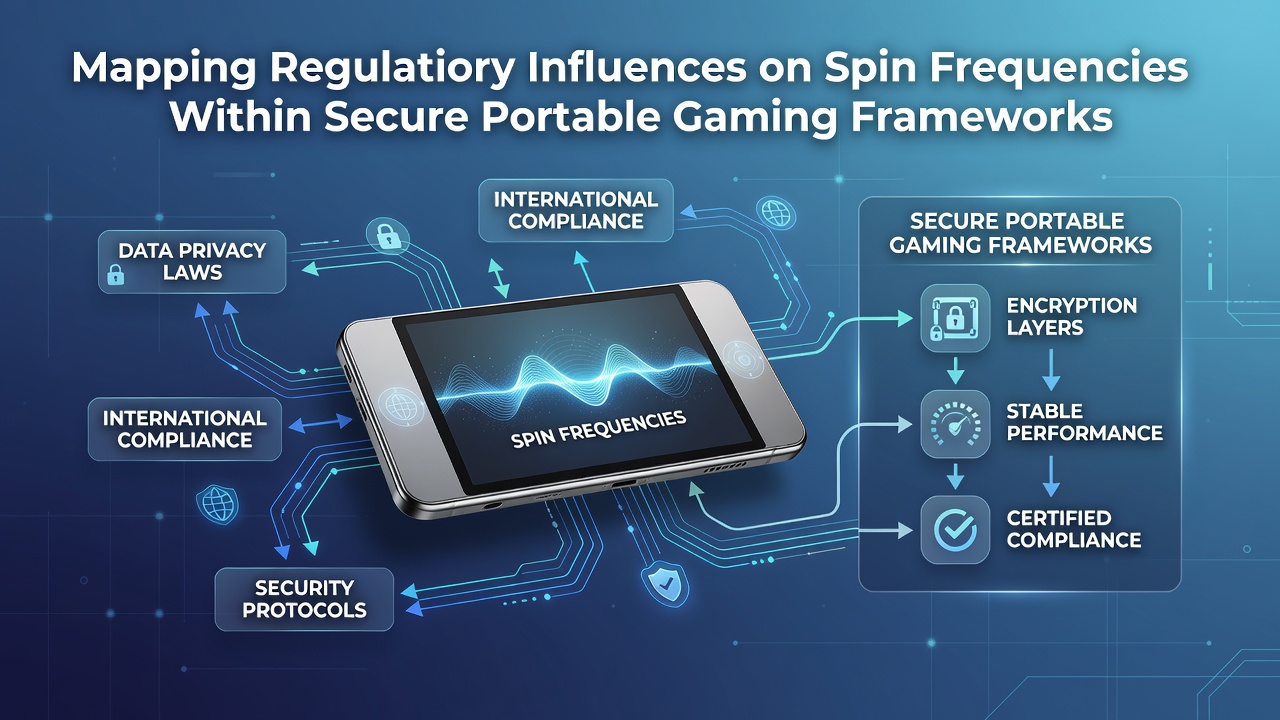
Mapping Regulatory Influences on Spin Frequencies Within Secure Portable Gaming Frameworks
Regulatory bodies across multiple jurisdictions establish parameters that shape spin frequencies in secure portable gaming applications, and these rules integrate with technical frameworks designed to maintain fairness along with data protection standards. Developers adjust game mechanics to align with regional mandates while preserving security protocols that prevent unauthorized access or manipulation of random number generators.
Core Regulatory Mechanisms and Their Technical Reach
Jurisdictions apply specific guidelines that dictate minimum intervals between spins along with requirements for continuous verification processes, and these directives force portable gaming platforms to embed compliance checks directly into their core architecture. Frameworks incorporate layered encryption that verifies each spin sequence against approved frequency thresholds, which ensures operations remain within legally defined bounds without interrupting user sessions.
One study from researchers at the University of Nevada Reno examined how state-level controls affect mobile RNG outputs, and the findings revealed that certain frequency caps require real-time adjustments to maintain both compliance and system stability. Security protocols in these environments often combine with audit trails that log every spin event for post-session review by oversight agencies.
Regional Variations in Frequency Mapping
North American standards emphasize strict RNG certification cycles that influence how often spins can occur in portable setups, whereas European directives focus more on transparency reporting that indirectly shapes frequency settings through consumer protection clauses. Australian frameworks add requirements for geolocation verification that tie into spin pacing rules to prevent rapid repetitive play in mobile contexts.
Data from the National Indian Gaming Commission shows that tribal gaming operations using portable systems must map regulatory limits onto their spin mechanics before deployment, and this process typically involves simulation testing to confirm adherence across different device types. Meanwhile the Alcohol and Gaming Commission of Ontario publishes periodic updates that clarify frequency thresholds for secure apps operating within provincial boundaries.
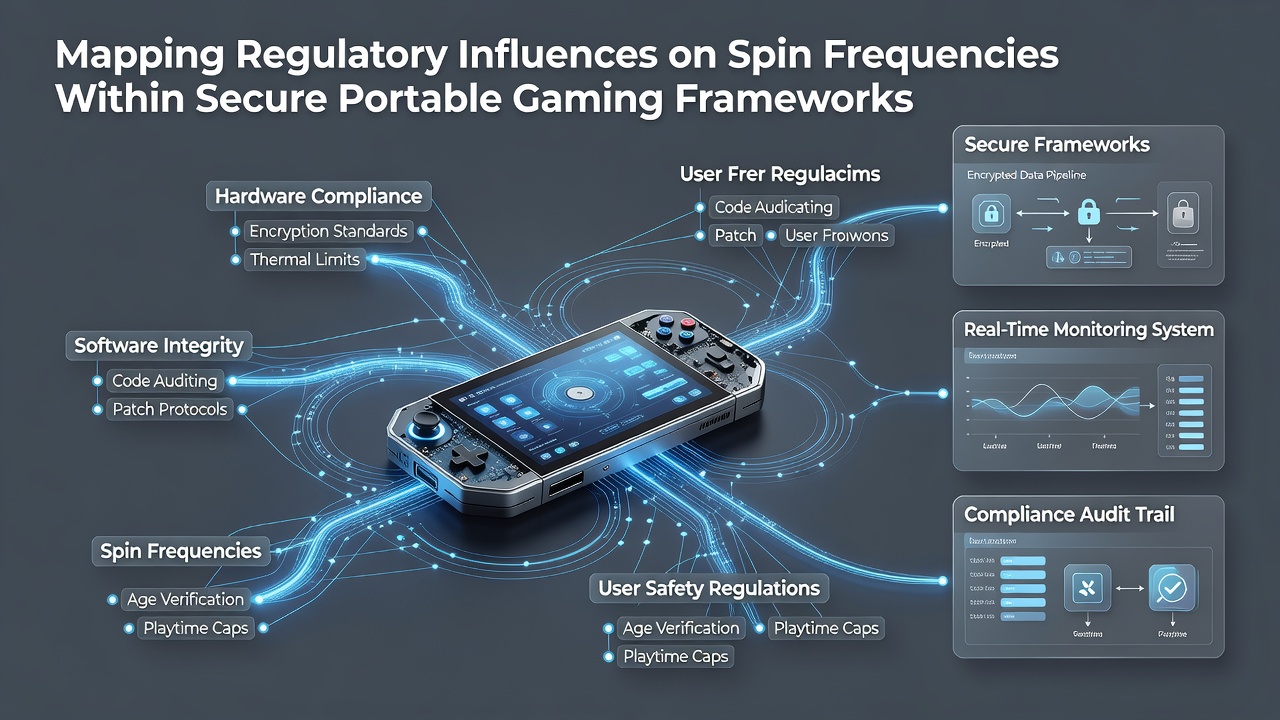
Integration Challenges in July 2026 Frameworks
Upcoming implementations scheduled for July 2026 introduce additional mapping layers that connect regulatory databases directly to gaming servers, and these connections allow automated enforcement of spin frequency rules without manual intervention from operators. Portable frameworks must accommodate dynamic updates that reflect new rules while keeping encryption standards intact across all user devices.
Engineers often encounter compatibility issues when legacy codebases meet newer regulatory APIs, yet successful integrations produce systems capable of handling real-time frequency modulation based on jurisdiction signals. Observers note that these advancements reduce manual compliance workloads for developers working with secure mobile environments.
Security Protocols Supporting Frequency Controls
Secure portable gaming frameworks rely on multi-factor authentication combined with device fingerprinting to validate each spin request against regulatory frequency limits, and this approach prevents both external tampering and internal exploitation of game parameters. Researchers have documented cases where enhanced security protocols maintained spin consistency even during high-volume traffic periods without violating established rules.
Industry reports indicate that frameworks incorporating blockchain-based audit logs provide regulators with immutable records of frequency adjustments, which streamlines verification processes across borders. These logs capture timestamped data that aligns with requirements from various oversight entities operating in different regions.
Future Mapping Developments
Continued evolution of regulatory mapping tools points toward greater automation in how spin frequencies respond to policy changes, and portable platforms stand to benefit from standardized interfaces that simplify cross-jurisdictional compliance. Experts anticipate expanded use of machine learning models to predict frequency impacts before new rules take effect.
Conclusion
Mapping regulatory influences on spin frequencies within secure portable gaming frameworks continues to drive technical refinements that balance compliance demands with operational security, and these developments shape how mobile systems deliver consistent experiences across regulated markets. Organizations tracking these patterns gain clearer insight into the interplay between policy directives and engineering solutions as frameworks advance toward mid-2026 milestones.