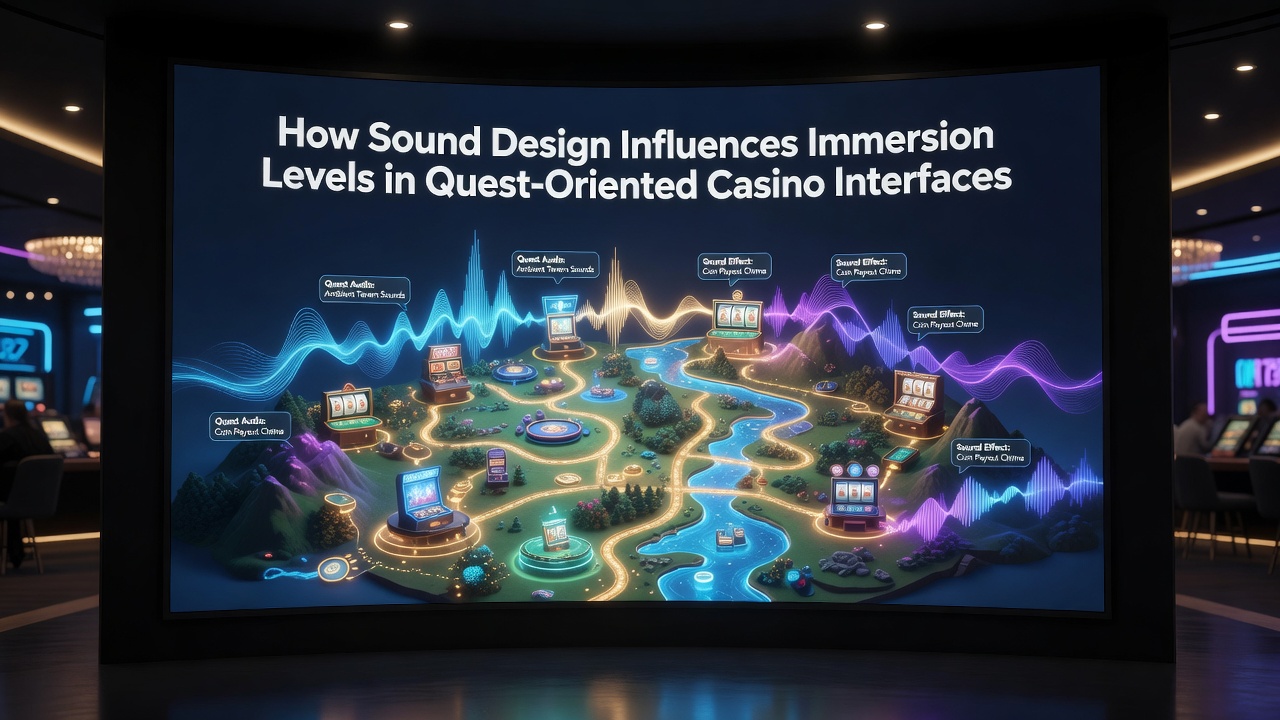
How Sound Design Influences Immersion Levels in Quest-Oriented Casino Interfaces
Quest-oriented casino interfaces combine narrative-driven gameplay with traditional slot mechanics or table game elements, and sound design serves as a core component that shapes how players perceive progression and environment, according to research compiled by gaming technology firms across North America and Europe. Developers integrate layered audio tracks including ambient backgrounds, character dialogues, and reward cues that align with quest milestones, which creates continuity between player actions and story advancement while data from interface analytics platforms shows measurable increases in session duration when these elements synchronize properly.
Audio layers typically include environmental effects such as echoing footsteps in virtual ruins or wind through digital forests, and these combine with musical swells that intensify during key quest events like boss encounters or treasure reveals. Studies conducted by the University of Las Vegas gaming research group indicate that players maintain higher focus levels when sound frequencies adjust dynamically to match visual changes, because mismatched audio disrupts the cognitive mapping between interface feedback and narrative context. Engineers achieve this through adaptive mixing software that responds to user inputs in real time, drawing from databases of pre-recorded assets tailored to specific themes like ancient expeditions or space voyages.
Core Components of Effective Sound Design
Sound designers prioritize three main categories when building these systems: diegetic sounds that originate within the game world such as object interactions and character voices, nondiegetic elements like overarching scores that guide emotional tone, and interface-specific alerts that signal quest updates or bonus triggers. Data collected from mobile platform metrics in 2025 revealed that interfaces incorporating spatial audio techniques, where sounds shift based on virtual camera position, produced stronger retention rates in quest completion statistics compared to standard stereo mixes. Technicians implement these features using middleware tools that allow precise control over volume, panning, and reverb parameters across different device outputs.
Quest progression often relies on recurring motifs that evolve as players advance through story chapters, and this approach helps establish memory associations that reinforce continued engagement. Observers note that when a signature melody builds upon earlier variations during later stages, it provides auditory confirmation of player achievement without requiring additional visual prompts, which streamlines the overall experience in fast-paced casino environments. Regulatory frameworks in jurisdictions like Nevada and Ontario require clear separation between promotional audio and gameplay sounds to maintain transparency, ensuring users distinguish between entertainment elements and wagering notifications.
Integration with Visual and Haptic Feedback Systems
Modern quest interfaces link sound design directly to haptic responses on mobile devices, where vibration patterns echo low-frequency rumbles or percussive hits from the audio track to heighten sensory alignment. Research reports from Canadian gaming laboratories demonstrate that synchronized multisensory cues lead to elevated immersion scores in controlled testing environments, particularly when quest narratives involve exploration sequences that unfold over multiple spins or rounds. Developers calibrate these connections through iterative testing cycles that analyze player heat maps alongside audio event logs to identify points where immersion dips occur.
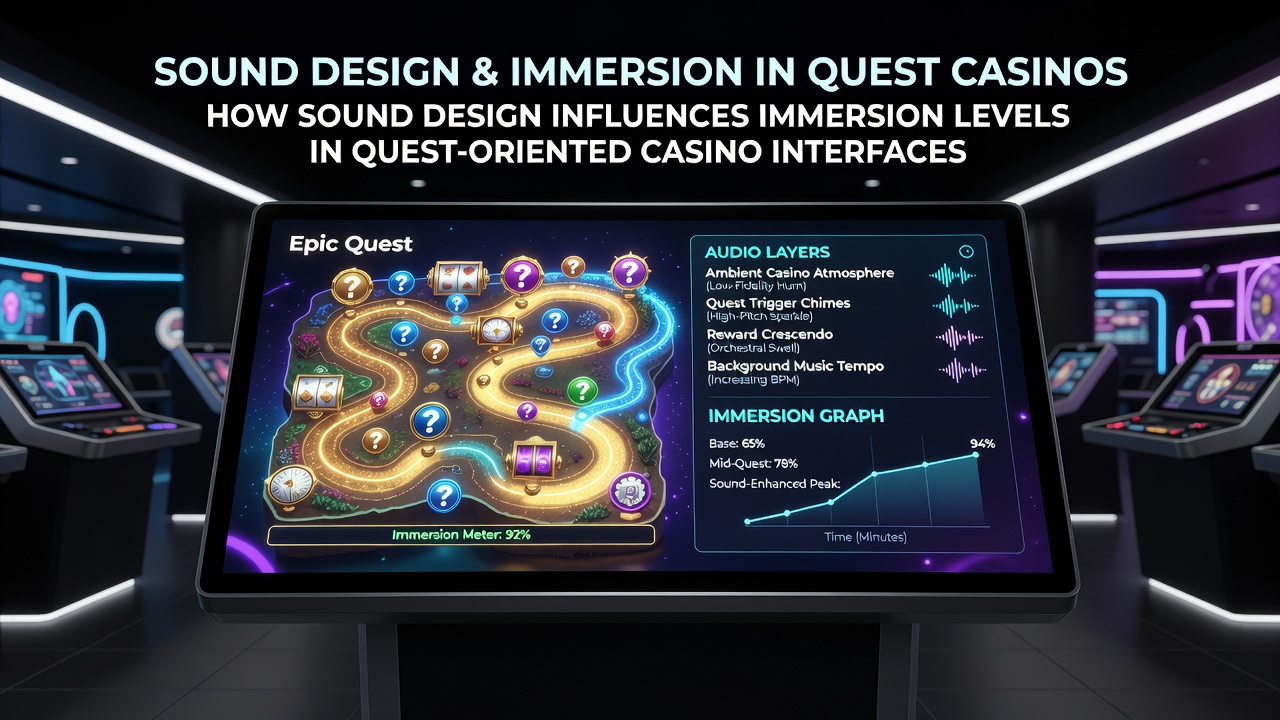
June 2026 updates to several major platforms introduced enhanced 3D audio support for compatible headsets, allowing players to perceive directional cues that match quest map navigation and this development followed earlier pilots in European markets where spatial sound improved task accuracy during timed challenges. Audio teams collaborate with narrative writers to ensure dialogue snippets and environmental noises reflect cultural details within each themed quest, which adds authenticity that supports longer narrative arcs without breaking player concentration.
Measurement and Industry Standards
Industry organizations track immersion through metrics that combine self-reported surveys with behavioral data such as repeat quest attempts and average time spent in exploration modes, and figures compiled by the Asia-Pacific Gaming Association highlight correlations between refined soundscapes and reduced early exits from sessions. Standards bodies emphasize testing for accessibility, requiring options to adjust or mute individual audio channels so players with sensory sensitivities can customize their experience while retaining core quest functionality. These guidelines emerged from collaborative efforts involving developers in Australia and the United States, where cross-regional data sharing helped establish baseline expectations for audio quality in regulated casino software.
Engineers continue refining procedural generation techniques that create variations in background tracks to prevent repetition fatigue during extended play periods, and this method relies on algorithmic selection from extensive sample libraries updated periodically with new recordings. What's interesting here is how these procedural systems maintain thematic consistency across random events, ensuring that sudden quest twists receive appropriate sonic emphasis that matches the visual drama without overpowering other interface elements.
Conclusion
Sound design in quest-oriented casino interfaces functions as an interconnected system that supports narrative flow, provides sensory reinforcement, and aligns with broader technological and regulatory developments observed through 2026. Data from multiple regions shows consistent patterns where thoughtful audio implementation contributes to sustained player interaction, while ongoing refinements in spatial techniques and adaptive mixing point toward further evolution in how these interfaces deliver cohesive experiences across devices and markets.