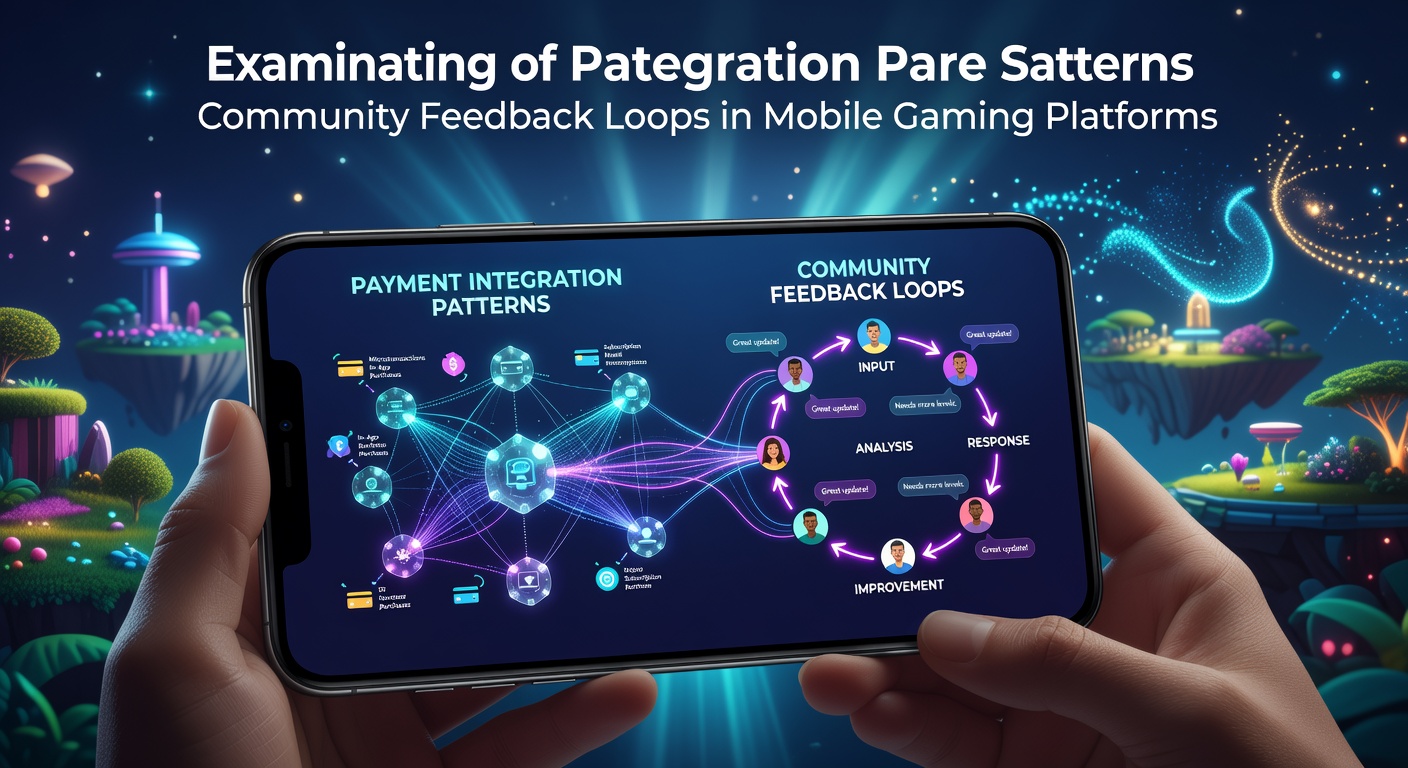
Examining Payment Integration Patterns and Community Feedback Loops in Immersive Mobile Gaming Platforms
Payment systems in immersive mobile gaming platforms have evolved through layered integrations that connect in-app purchases directly to device-level wallets and third-party processors. Data from industry reports shows that these patterns rely on APIs from providers like Apple and Google to streamline transactions while maintaining compliance with regional financial regulations. Observers note that successful implementations often bundle subscription models with one-time unlocks, creating recurring revenue streams that developers track through real-time analytics dashboards.
Core Payment Integration Patterns
Developers embed payment gateways using frameworks such as Stripe and Adyen to handle cross-border currencies and reduce processing delays. Research from the Entertainment Software Association indicates that by early 2026, over 70 percent of top-grossing immersive titles on iOS and Android incorporated tokenized payment methods to minimize friction during high-engagement moments like level completions or virtual item acquisitions. These patterns also incorporate fallback options for regions with limited banking infrastructure, routing transactions through carrier billing where direct card use remains low.
Security layers form another key component, with biometric authentication and device fingerprinting becoming standard across platforms. Studies conducted at universities in Canada and Australia reveal that games employing multi-factor verification experience fewer chargeback incidents, allowing teams to allocate resources toward content expansion instead of dispute resolution. Community-driven testing phases frequently surface edge cases in these systems, prompting rapid patches that refine authorization flows before wider rollout.
Community Feedback Mechanisms
Feedback loops operate through dedicated channels including Discord servers, in-game reporting tools, and aggregated review platforms where players submit suggestions on everything from transaction speed to reward structures. Those who monitor these interactions find that developers often prioritize updates based on volume and sentiment analysis rather than isolated complaints. In May 2026, several major titles released patches addressing payment confirmation delays after sustained input from European and Asian player bases highlighted inconsistencies during peak hours.
Quantitative tracking plays a central role, as studios deploy sentiment algorithms to categorize feedback into categories like usability, fairness, and feature requests. Evidence from academic papers published in gaming technology journals shows that closed-loop systems, where responses to player input appear in subsequent updates, increase retention rates by encouraging continued participation. This process creates iterative cycles where initial payment complaints lead to interface tweaks, which then generate new discussions that refine the original solutions.
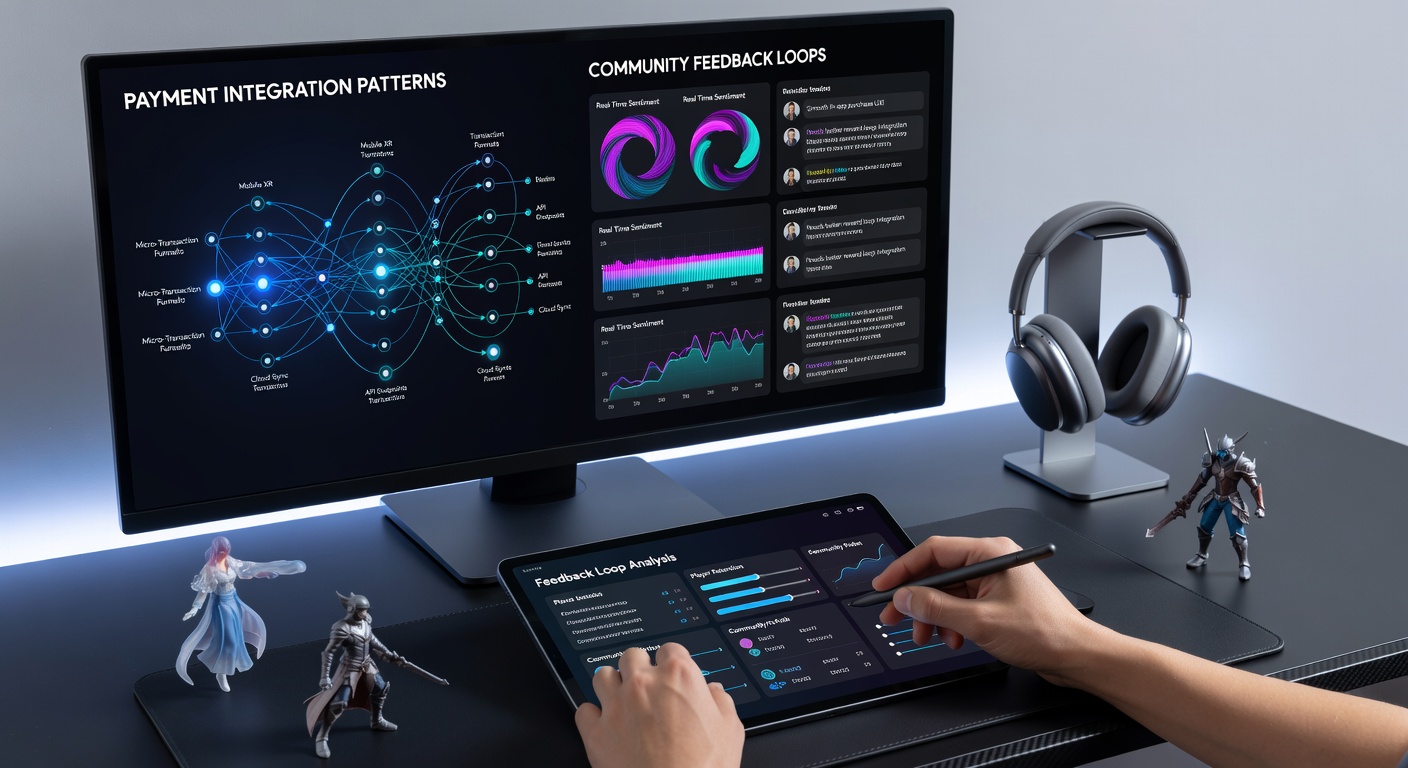
Interaction Between Payments and Feedback
Payment patterns and feedback loops intersect when transaction data informs community responses and vice versa. Developers observe spikes in negative comments following failed purchases, prompting immediate reviews of backend integrations. According to findings from the Interactive Games and Entertainment Association in Australia, titles that publicly acknowledge feedback on payment issues and implement fixes within two weeks see measurable upticks in positive community sentiment scores.
Regional variations add complexity, since regulations in the European Union emphasize consumer protection disclosures that differ from approaches in North American markets. Teams adapt by maintaining separate feedback repositories for each jurisdiction, ensuring that localized payment preferences, such as preference for digital wallets in certain Asian countries, receive targeted attention. These adaptations emerge through ongoing dialogue that connects raw transaction metrics with qualitative player narratives.
Emerging Trends in 2026
By May 2026, blockchain-based verification methods began appearing in select immersive platforms as a means to provide transparent transaction histories that communities can audit independently. Research institutions tracking these developments report that such transparency reduces disputes by allowing players to verify their own activity logs without intermediary support tickets. At the same time, machine learning models trained on aggregated feedback data help predict which payment features will generate the strongest community reactions before full deployment.
Integration with emerging hardware like foldable devices and advanced AR headsets requires payment flows that accommodate variable screen sizes and gesture-based confirmations. Observers tracking platform updates note that early adopters of these adaptations often collaborate with player communities through beta testing programs, incorporating direct input to smooth out edge cases that automated testing overlooks.
Conclusion
Payment integration patterns and community feedback loops continue to shape the operational framework of immersive mobile gaming platforms through interconnected data streams and iterative refinements. Figures from global industry analyses demonstrate consistent growth in seamless transaction adoption alongside structured response systems that translate player input into functional improvements. These dynamics support sustained platform evolution as developers respond to both technical requirements and user-driven priorities across diverse markets.