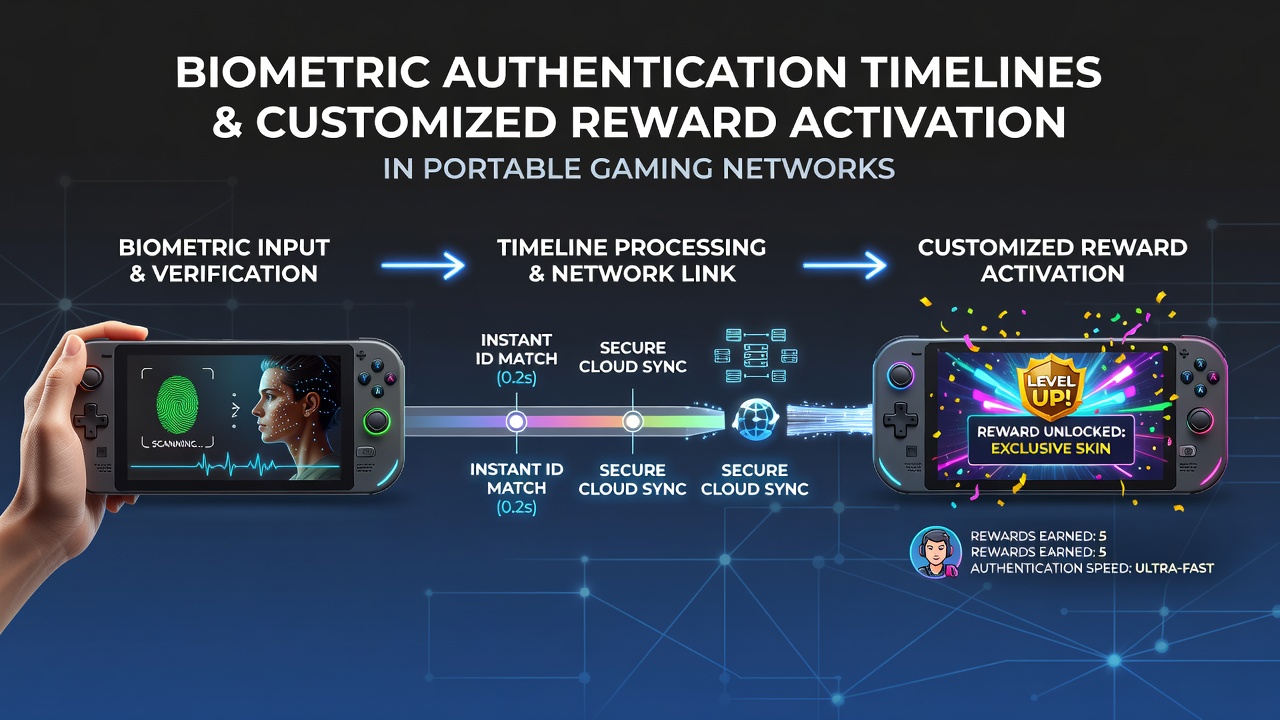
Biometric Authentication Timelines and Their Link to Customized Reward Activation in Portable Gaming Networks
Portable gaming networks rely on biometric authentication to verify user identity through fingerprints, facial recognition, or iris scans, and these processes follow specific timelines that directly influence how rewards get customized and delivered within apps. Data from device manufacturers indicates that initial biometric enrollment typically completes in under 30 seconds on modern smartphones, after which ongoing verifications occur in milliseconds during active sessions. Researchers at institutions like the National Institute of Standards and Technology have documented how these rapid timelines reduce friction in user access while enabling networks to activate tailored incentives based on verified player profiles.
Core Components of Biometric Timelines in Mobile Environments
Authentication sequences begin when a user opens a gaming application, triggering a sensor check that compares live biometric data against stored templates. Studies from the IEEE Biometrics Council reveal average match times of 150 to 400 milliseconds across Android and iOS platforms, with variations tied to hardware capabilities and environmental factors such as lighting or device temperature. Network operators then log these timestamps to build usage patterns, which feed into algorithms that determine reward eligibility. When verification succeeds within the expected window, systems unlock personalized elements like bonus content or progression boosts without requiring additional manual inputs.
Delays beyond standard thresholds prompt fallback protocols, including secondary checks or temporary session limits, according to reports from the Australian Communications and Media Authority on digital service security. These protocols maintain network integrity while preserving the flow of customized activations. Observers note that portable networks integrate biometric data with behavioral analytics, creating layered timelines where each successful scan updates reward parameters in real time.
Connections Between Verification Speed and Reward Customization
Customized reward systems activate once authentication confirms user identity and session context. Faster biometric timelines allow networks to adjust offers based on factors like play frequency, device location, or previous interactions. For instance, a player verified within 200 milliseconds might receive immediate access to tiered challenges or virtual item bundles calibrated to their historical data. Evidence from industry analyses shows that networks using sub-second verification report higher rates of reward engagement compared to those relying on slower methods like PIN entry.
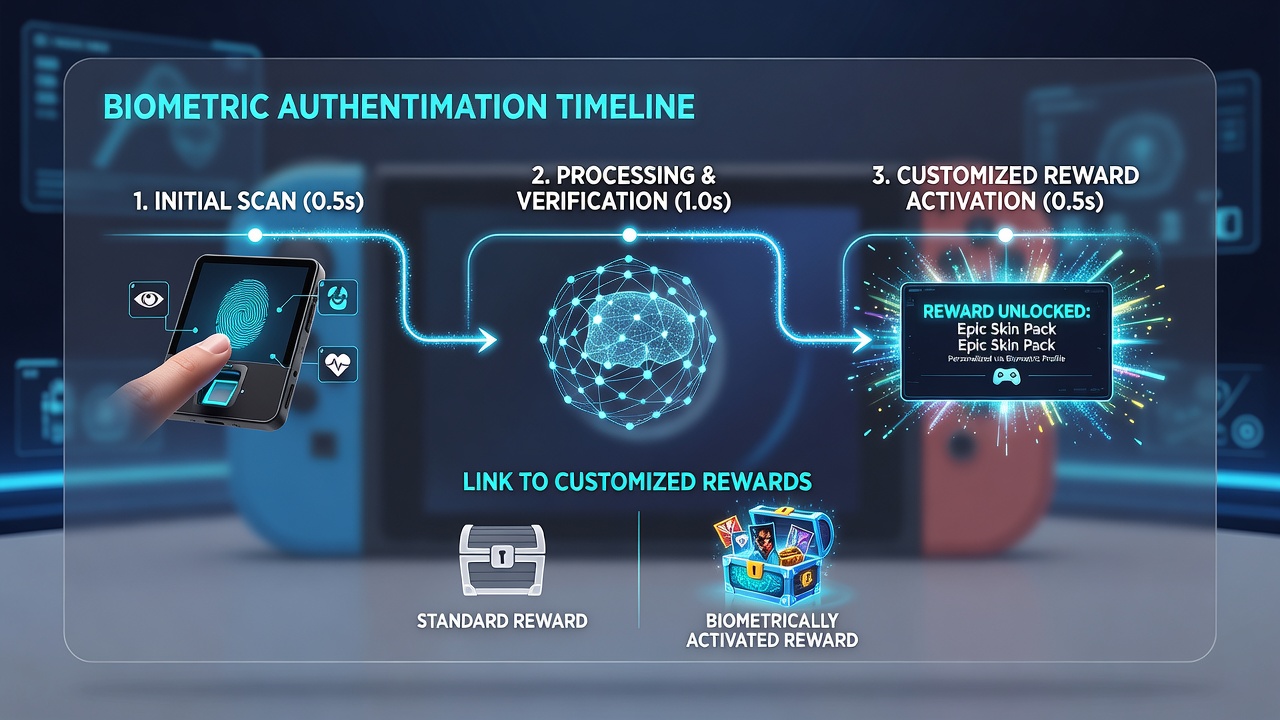
Integration occurs through secure data pipelines that transmit verified timestamps alongside gameplay metrics. Research from the University of Waterloo's Cybersecurity and Privacy Institute highlights how these pipelines enable dynamic reward scaling, where quicker authentications correlate with more granular personalization options. Networks track cumulative timelines across multiple sessions to refine models, ensuring rewards align with individual engagement curves rather than generic distributions.
Implementation Patterns Across Global Gaming Platforms
Developers deploy biometric features differently depending on regional regulations and hardware availability. In North American markets, many portable titles incorporate facial recognition for seamless logins that trigger reward drops during live events. European operators follow data protection frameworks that mandate explicit consent before timeline data influences reward logic. Figures from the European Gaming and Betting Association indicate steady adoption rates through 2025, with projections extending into mid-2026 as device standards evolve.
By June 2026, several major platforms plan updates to their authentication modules, aiming to cut average verification windows by an additional 20 percent through improved sensor fusion techniques. This shift supports expanded reward customization, including location-based incentives and cross-device progression unlocks. Those who monitor portable gaming ecosystems point to case examples where integrated timelines led to measurable increases in session retention without compromising user privacy controls.
Security and Data Flow Considerations
Biometric templates remain stored locally on devices in most implementations, with only encrypted match results shared across networks. This approach limits exposure while allowing reward systems to respond promptly to verified activity. Reports from Canada's Office of the Privacy Commissioner emphasize the importance of transparent data handling practices in maintaining trust within gaming communities. When timelines align with expected performance benchmarks, networks can activate layered rewards such as daily streaks or community challenges that adapt to verified user segments.
Challenges arise during high-traffic periods when server loads extend processing beyond device-level verification. Operators counter these issues with predictive caching of authentication results, preserving the link between quick scans and instant reward delivery. Data indicates that such optimizations help sustain engagement across diverse portable devices, from smartphones to handheld consoles.
Conclusion
Biometric authentication timelines serve as foundational elements in portable gaming networks by enabling precise, customized reward activations tied directly to verified user sessions. As platforms advance through 2026, continued refinements in verification speed and data integration will shape how rewards respond to individual patterns. Stakeholders across regulatory bodies, research institutions, and industry groups track these developments to balance security requirements with user experience improvements in mobile environments.