Analyzing Data Interconnections Between User Ratings and Loyalty Program Evolutions in Nomad-Style Casino Applications
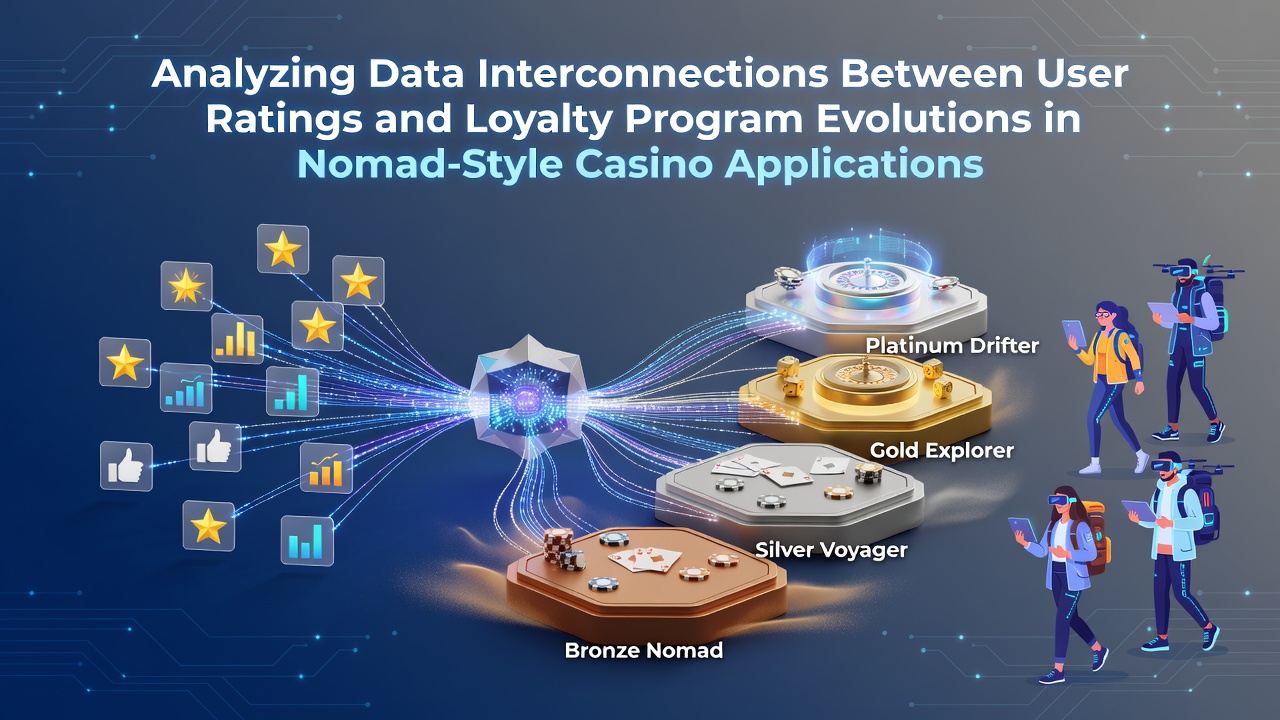
Nomad-style casino applications operate primarily on mobile devices and feature portable gameplay mechanics that allow users to engage with slot and table games during travel or daily routines. These platforms collect extensive datasets from user interactions, including star ratings submitted through app stores and in-app feedback forms, while loyalty programs track participation metrics such as session frequency, deposit volumes, and reward redemptions. Analysts examine correlations between shifts in average user ratings and adjustments made to loyalty structures, including tier thresholds, point multipliers, and personalized offers that evolve based on aggregated player behavior.
Patterns in Rating Data and Program Adjustments
Researchers at institutions focused on digital entertainment have documented how rating fluctuations often precede or follow modifications to loyalty frameworks in these applications. For instance, when average ratings drop below established benchmarks in specific geographic regions, developers frequently introduce accelerated point accumulation rates or new VIP access levels to stabilize user sentiment. Data from platform analytics reveals that such changes coincide with measurable upticks in subsequent rating submissions, particularly when loyalty evolutions incorporate elements like instant free spin allocations tied to tier progression. Observers note that these interconnections appear consistent across multiple operators, suggesting underlying data pipelines that link rating monitoring systems directly to loyalty management software.
Studies conducted through university gaming research centers indicate that user ratings serve as leading indicators for loyalty program refinements. A review of datasets spanning 2024 to mid-2026 shows instances where negative feedback clusters around reward redemption delays prompted operators to streamline verification protocols and expand tier benefits. Those patterns hold across applications with adventure-themed interfaces, where players navigate virtual exploration maps that unlock additional loyalty perks. As of August 2026, aggregated figures from industry monitoring tools continue to highlight these feedback mechanisms in action.
Technical Mechanisms Driving Interconnections
Nomad-style applications rely on real-time data pipelines that merge app store review sentiment analysis with loyalty database queries. Machine learning models process textual feedback from ratings to identify recurring themes such as perceived value of rewards or ease of tier advancement, then feed those insights into automated systems that recommend program updates. According to reports from the American Gaming Association, operators using these integrated approaches have observed tighter alignment between player retention metrics and loyalty tier participation rates over successive quarters.

Additional layers of interconnection emerge through A/B testing frameworks that compare rating responses before and after loyalty modifications. One documented case involved an application that adjusted its nomad-themed progression system to include community challenges, resulting in a documented rise in positive ratings from users who reached higher tiers. Data scientists track these outcomes through anonymized user cohorts, measuring variables like time spent in loyalty dashboards against rating changes submitted within 30-day windows. Such methods allow precise mapping of cause-and-effect relationships without relying on direct user surveys.
Regional Variations and Regulatory Influences
Geographic differences influence how rating and loyalty data interconnect within nomad-style platforms. Applications serving North American markets often prioritize loyalty features that emphasize deposit bonuses and cashback tiers, while those targeting Asia-Pacific users incorporate social sharing mechanics that boost ratings through community visibility. Regulatory frameworks from bodies such as the Malta Gaming Authority require transparency in how player data informs program evolutions, which has led operators to publish summary reports on rating-driven adjustments. These disclosures provide external analysts with clearer views into the data flows that connect user sentiment to loyalty refinements.
Cross-border data sharing agreements further complicate these interconnections, as privacy standards affect the granularity of information available for analysis. In regions with stricter controls, operators aggregate ratings at broader levels before linking them to loyalty metrics, yet the underlying statistical relationships remain detectable through longitudinal studies. Figures from research initiatives at the University of Nevada, Las Vegas gaming labs illustrate how these regional adaptations maintain consistent correlation strengths despite varying data resolution.
Conclusion
The analysis of interconnections between user ratings and loyalty program evolutions in nomad-style casino applications demonstrates structured data relationships that operators monitor through integrated analytics systems. Patterns observed in rating trends frequently inform targeted adjustments to loyalty tiers and rewards, while technical pipelines enable ongoing refinement based on aggregated feedback. Regional and regulatory factors shape the visibility of these connections, yet the core mechanisms persist across platforms as of August 2026. Continued examination of these datasets supports more precise understanding of how player sentiment and program development interact within mobile gaming environments.